
In the quiet rice fields of Nueva Ecija, where the wind carried the scent of harvested palay, Rodel Cruz once believed his life would never stretch beyond the borders of his province. He worked as a small auto-repair assistant, earning just enough to help his parents and younger sister. Every peso mattered. Everyday was a calculation of survival.
When his father fell ill and hospital bills piled up, Rodel faced a painful truth his small-town income could no longer hold his family afloat.
One evening, a neighbor approached him.
“May opening sa Japan. Factory worker. Stable ang kita. Interesado ka?
Japan. A country Rodel only knew from anime, bullet trains, and cheery blossoms. The thought of working there felt unreal. But hope often arrives in unfamiliar forms.
After weeks of paperwork, interviews, and Japanese language training, Rodel stood at the airport with a single suitcase and a heart full of prayers.
Japan greeted him with discipline, order, and silence. Trains arrived exactly on time. People walked with purpose. Even the air felt cleaner.
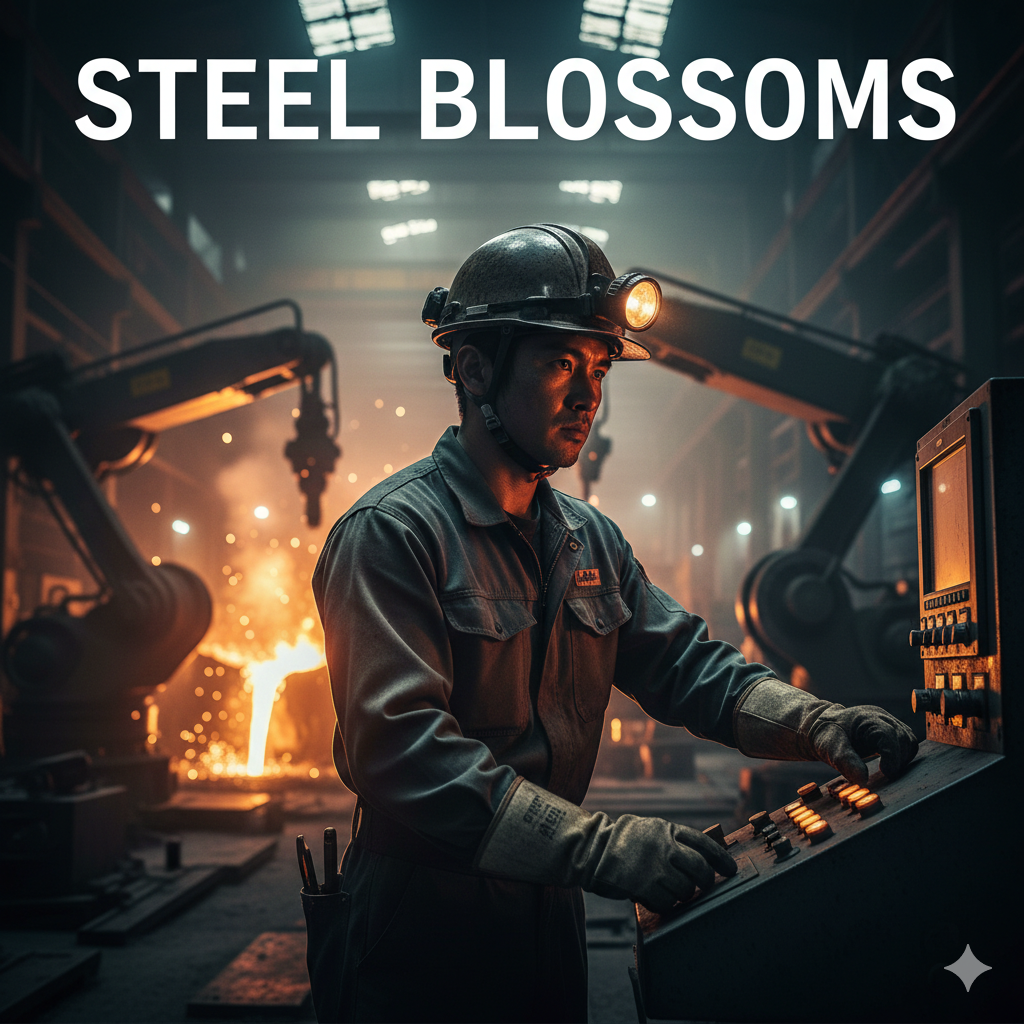
Rodel was assigned to a steel parts factory in Aichi Prefecture. The machines were enormous, roaring like mechanical beasts. Sparks flew as a metal was pressed, molded, and cooled. His job was to monitor the pressing machines, check product quality, and maintain cleanliness around his station.
On his first day, the Japanese supervisor, Mr. Takahashi, spoke firmly.
“Anzen daiichi. Safety first.”
Rodel bowed repeatedly, trying to hide his nervousness.
Everything was precise time, measurements, movements. A single mistake could stop production. He felt pressure heavier than the steel he worked with.
Dormitory life was strict. Lights off at ten. No loud noise. No cooking inside rooms. Rules were rules.
At night, Rodel missed the laughter of his family, the karaoke of neighbors, and the smell of adobo simmering in the kitchen. Here, meals were rice, fish, and miso soup simple and quiet.
Language was his biggest wall. He knew basic Japanese, but factory instructions were fast and technical. Often, he nodded even when unsure, then studied manuals late at night to avoid mistakes.
There were days he wanted to give up. The workload was heavy. The supervisors were strict. Homesickness wrapped around him like chains.
But then he remembered his father’s hospital bed. His mother’s tired eyes. His sister’s dream of finishing college.
He tightened his grip and kept going.
Months passed. Rodel’s movements became quicker, his understanding sharper. He learned to fix minor machine errors before they escalated. Mr. Takahashi began nodding at him with quiet approval.
One afternoon, a pressing machine jammed, threatening to delay production. Workers hesitated, unsure of the problem. Rodel remembered a solution from his training manual. He stopped the machine safely and cleared the obstruction.
The line resumed. products rolled out perfectly.
Mr. Takahashi approached and bowed slightly.
“Yoku yatta. Good job.”
It was a small compliment but in Japan, small praise meant great respect.
Spring came. Cherry blossoms bloomed along factory roads, painting the world pink. Rodel took photos and sent them home.
“Parang pintura!” his sister replied.
He smiled. Even beauty felt different when shared from away.
Every Sunday, he video-called his family. His father was recovering. His mother smiled more. His sister proudly showed her school projects.
Because of Rodel’s remittances, hospital bills were paid. Their small house had new walls and a proper roof. Their life was slowly transforming.
But there was pain behind the progress.
One winter night, Rodel developed a fever. Body aching, head heavy, he lay in bed shivering. He wanted his mother’s comforting hand, her soup, her gentle words. But all he had was a thin blanket and the hum of a heater.
He whispered, “Konti na lang… konti na lang…”
And fell asleeep clutching his phone, his family’s photos glowing in the screen.
Two years later, Rodel became one of the most trusted workers on the line. New trainees Vietnamese, Chinese, and Filipino looked up to him.
He taught them safety steps, machine handling, and discipline.
“Dito, parang bakal tayo,” he told them. “Pinapainit, pinapalo, pero mas tumitibay.”
His words became his personal philosophy.
When Rodel finally returned to the Philippines for vacation, his family greeted him with tears and laughter. His father walked without assistance. His sister was preparing for college. Their house stood proudly with a small garden in front.
That night, they ate together under the stars.
“Anak,” his mother said,” ang layo ng narating mo.”
Rodel smiled.
“Hindi lang ako. Tayong lahat.”
Back in Japan, as Rodel watched cherry blossoms fall outside the factory gate, he realized something beautiful:
He had arrived as soft metal, uncertain and afraid.
But through pressure, heat, and time he became steel.
Strong. Unbreakable. Ready for any storm.