
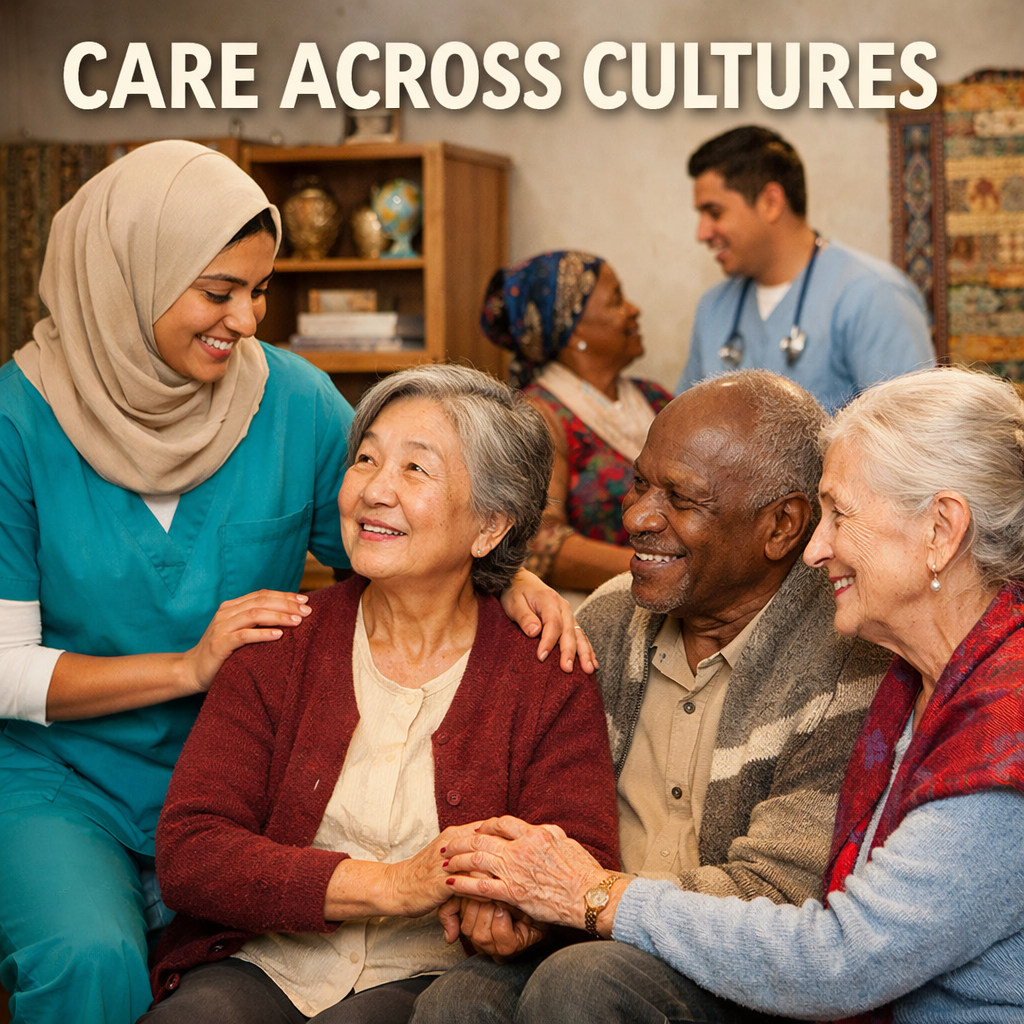
Before the sun fully rose over Milan, Teresa was already awake.
The small apartment was quiet except for the soft ticking of a clock and the gentle breathing of the elderly woman she cared for.
Teresa moved quietly, preparing breakfast in the kitchen.
For many people, caregiving was just a job. For Teresa, it was a responsibility of the heart.
Teresa came from Iloilo, where she lived with her husband and two children. Her husband worked as a fisherman, but his income was not always enough to support the family.
Wanting to help, Teresa took a caregiving course in Manila.
She learned how to assist elderly patients, manage medications, and provide emotional support.
After completing her training, she worked briefly in a local clinic.
But when an opportunity opened for caregivers in Italy, Teresa decided to take the chance.
Leaving her family was the hardest part.
At the airport, her children hugged her tightly.
“Come back soon, Mama,” they said.
“I will,” Teresa promised, holding back tears.
In Italy, Teresa worked as a live-in caregiver for an elderly woman named Signora Lucia.
Lucia was kind but weak.
She needed help with daily tasks walking, eating, taking medicine, and staying safe at home.
Teresa’s day began early.
She prepared meals, cleaned the house, and helped Lucia get dressed.
Sometimes they sat together by the window, watching people pass by on the street below.
Although Teresa was far from home, she slowly built a connection with Lucia.
They spoke in simple words, sometimes mixing English and Italian.
But kindness needed no translation. Teresa treated Lucia like family. She listened to her stories about the past.
She comforted her during moments of sadness.
She celebrated small victories, like when Lucia managed to walk a few extra steps.
Caregiving required patience. It required compassion. It required strength. There were difficult days.
Sometimes Lucia became sick or restless at night. Sometimes Teresa felt homesick and tired. But she stayed strong because she knew why she was there.
Every month, Teresa sent money back to Iloilo. Her children were able to continue school. Her family improved their home. Her sacrifices were slowly building a better future.
One afternoon, while helping Lucia sit by the window, the elderly woman gently held Teresa’a hand.
“Grazie,” she said softly. Thank you. Teresa smiled.
In that moment, she felt something deep and meaningful. Her work was not just about tasks. It was about care.
Years passed, and Teresa became more than just a caregiver. She became part of Lucia’s life.
Someone who brought comfort, support, and companionship.
After several years abroad, Teresa returned home to Iloilo for vacation.
Her children ran toward her, hugging her tightly.
They had grown taller. Their smiles were brighter. Their future looked more hopeful.
That evening, Teresa sat outside her home watching the sunset.
She thought about the journey she had taken.
From caring fro her family in Iloilo to caring for someone else’s family in a distant country.
She realized something important. Care has no borders. Kindness has no language.
And sometimes, the greatest strength is found in the gentle act of taking care of others.
Because for Teresa, every moment she spent helping someone far from home was also building something beautiful –
A life filled with compassion, A future for her children, and a story of love that reached beyond distance.