The factory lights turned on long before sunrise.
Inside the large garment factory in Taiwan, row of sewing machines waited silently for another busy day.
Soon the quiet room filled with the steady sound of stitching.
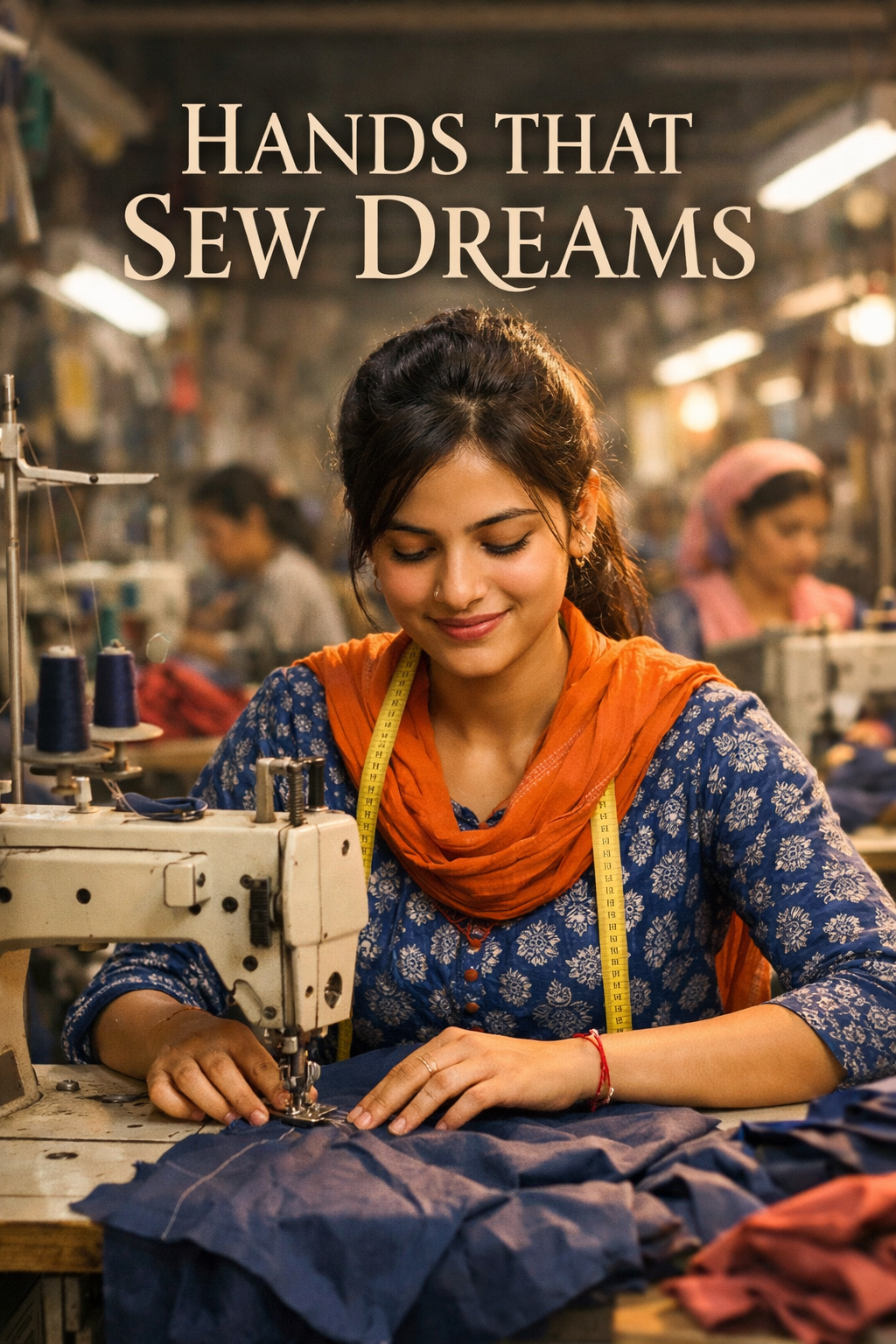
Among the many workers sat Rosa, her hands moving quickly and carefully over bright fabrics.
Rosa came from a small town in Bulacan, where her family struggled to make ends meet. Her father worked as a jeepney driver, and her mother sold homemade kakanin in the neighborhood.
They worked hard, but the income was never enough for entire family.
After finishing high school, Rosa learned basic sewing from her aunt, who worked as a dressmaker. She discovered she had a natural talent for it.
Her stitches were straight.
Her hands were steady.
Soon she found work in a small garment shop in Manila, sewing school uniforms and simple clothing.
But the salary was small.
When Rosa heard about job opportunities in Taiwan’s garment factories, she knew it might be the chance to change her family’s future.
Leaving home was painful.
At the airport, her younger siblings hugged her tightly.
“Pasalubong ha, ate!” One of them said jokingly.
Rosa smiled through her tears. “I will,” she promised.
In Taiwan, Rosa worked in a large clothing factory that produced shirts and jackets for international brands.
The factory floor was enormous.
Hundreds of workers sat at sewing machines, each responsible for a specific part of the clothing.
Some stitched sleeves. Other attached collars. Rosa’s job was to sew side seams for jackets.
Everyday, stacks of fabric pieces arrived at her station. She carefully guided them under the machine needle, stitching them together with precision.
The machine hummed constantly. The work required concentration. One small mistake could ruin the garment.
Sometimes Rosa completed hundreds of pieces in a single shift. It was repetitive work, but she stayed focused because every finished piece helped her earn money for the family waiting back home.
During lunch breaks, Rosa often sat with other Filipinos workers in the cafeteria. They shared meals and talked about their families.
“Miss ko na mga Kapatid ko,” Rosa admitted one afternoon.
“Same here,” another workers replied.
Being far from home was the hardest part of working abroad. Being far from home was the hardest part of working abroad.
But every month, Rosa sent money to Bulacan.
Her parents used the money to repair their small house and help pay for he sibling’s school expenses.
Her younger sister eventually entered college. Those successes made Rosa proud.
One day in the factory, the supervisor inspected a batch of finished jackets. He carefully checked the stitching lines and seams.
When he reached Rosa’s pile, he nodded with approval.
“Very clean,” he said. Rosa felt a quiet sense of accomplishment.
Her hands had created something people around the world would wear.
Maybe someone in another country would buy the jacket she helped sew.
They might never know the worker who stitched its seams.
But Rosa knew. And that was enough.
Years passed, and Rosa became one of the most skilled workers in her section. New employees sometimes asked her for advice when they struggled with the sewing machines.
She always helped them patiently because she remembered how difficult the job felt when she first arrived.
After four years abroad, Rosa returned to the Philippines for a long vacation.
Her family welcomed her with warm hugs and laughter.
Their house look stronger now, with painted walls and a new roof.
Her siblings had grown taller and more confident.
That evening, Rosa sat outside their home watching the sunset over the quiet street.
She looked at her hands. They were slightly rough from years of work. But those hands had stitched more than just fabric.
They had sewn together hope, sacrifice, and opportunity because every careful stitch she made inside that busy factory was really part of something bigger.
A dream being slowly sewn into reality for the family she loved.