Mario had always been careful with heavy things.
Growing up in Davao, he helped his father load sacks of coconuts onto trucks at the local market. The sacks were heavy, and one wrong step could mean a crushed foot or a broken back.
“Balance,” his father always said. “Everything is about balance.”
Mario remembered those words years later when he became a forklift operator.
After finishing a vocational training program in warehouse operations, Mario worked briefly at a storage facility near the port of Davao. He learned how to operate forklifts machines that could lift thousands of kilograms with steady precision.
At first, he was nervous controlling such powerful equipment.
But over time, the forklift felt like an extension of his own hands.
Still, the salary at home barely covered family expenses. His wife had just given birth to their first child, and bills quickly piled up.
When a recruitment agency offered a forklift operator job in Qatar, Marion knew it might be the opportunity they needed.
Leaving home was painful.
At the airport, he kissed his baby daughter’s forehead while she slept in her mother’s arms.
“Para sa future niya,” he whispered.
In Qatar, Marion worked at a massive logistics warehouse near the busy port of Doha. Containers arrived every day carrying goods from around the world electronics, food supplies, construction materials.
His responsibility was simple but critical: move cargo safety and efficiently.
Each morning began with equipment checks. He inspected the forklift’s tires, hydraulic system, and lifting forks.
Safety first.
Inside the warehouse, towering racks stretched nearly to the ceiling, filled with stacked pallets of products. The narrow aisles required precise driving.
One wrong movement could knock over thousands of dollars worth of goods.
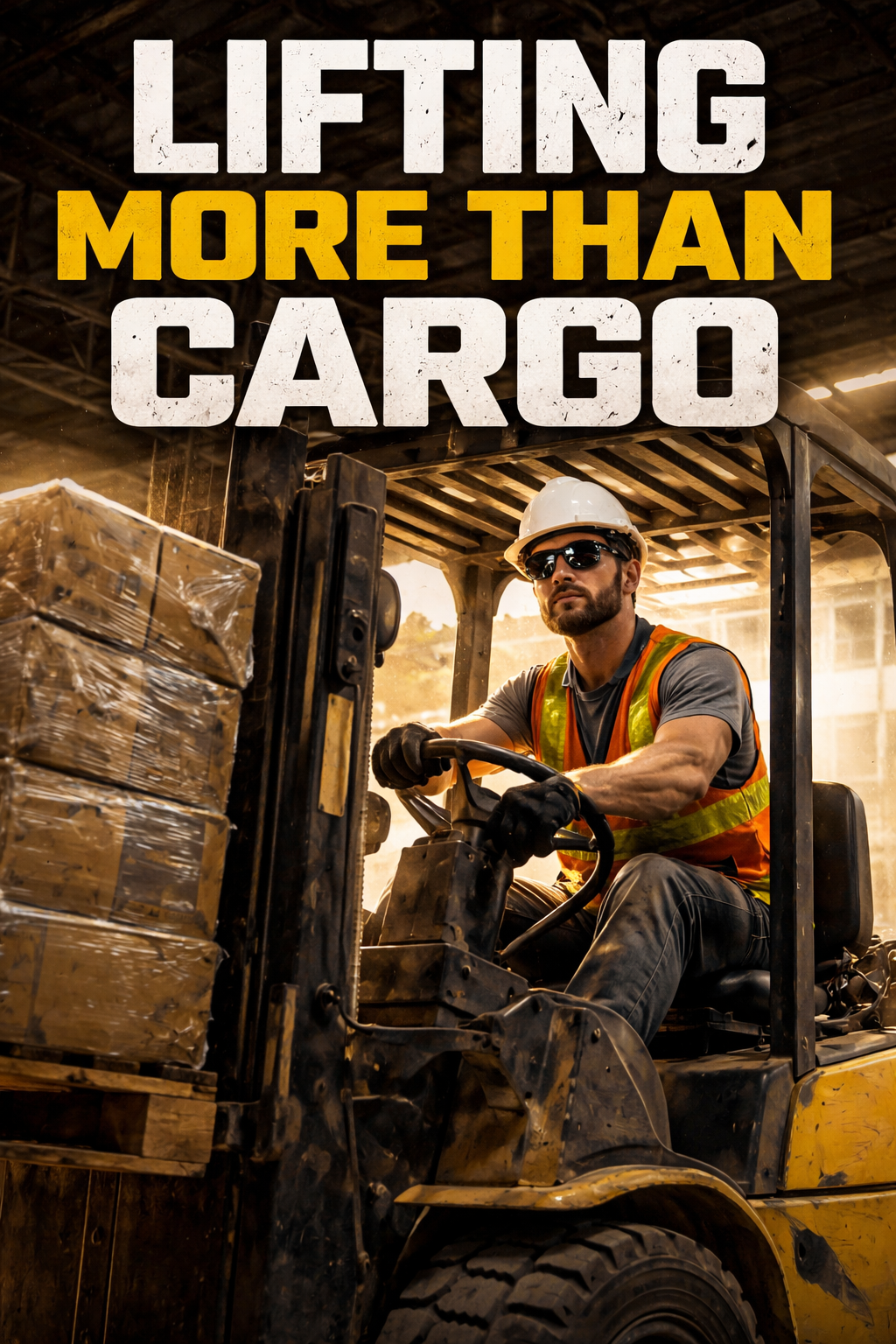
Mario gripped the steering wheel carefully, guiding the forklift forward. The machine hummed as its hydraulic arms lifted a pallet weighing more than a small car.
Slowly.
Steadily.
He raised the load his above his head and placed it onto a rack six meters above the ground.
Perfect alignment.
His supervisor nodded approvingly.
“Good work.”
Mario felt a quiet sense of pride.
Operating a forklift wasn’t glamorous work. Customers rarely saw the warehouse workers who moved goods behind the scenes.
But without them, stores would be empty.
Construction sites would stop.
Cities would slow down.
During lunch breaks, Mario often sat with other Filipinos workers behind the warehouse loading area. They shared packed meals and talked about their families.
“Anak ko nag-first honor,” one coworker said proudly.
“Pinapagawa ko na Bahay namin,” another added.
Mario smiled as he looked at photos of his daughter on his phone.
She was learning to walk.
He wished he could see it in person.
But every month he sent most of his salary back home. The money helped his wife buy milk, diapers, and pay household bills.
Slowly, their life improved.
Still, working abroad brought challenges.
The warehouse temperature sometimes reached extreme heat during summer. Long shifts tested Mario’s concentration. Fatigue could be dangerous when handling heavy cargo.
So he stayed disciplined.
No rushing.
No careless movements.
Because safety mattered more than speed.
One afternoon, while moving a shipment of fragile electronics, a new workers accidentally blocked an aisle with stacked boxes. Mario noticed just in time and stopped the forklift before a collision happened.
His heart pounded.
Accidents could happen in seconds.
Afterward, the supervisor thanked him for staying alert.
That moment reminded Mario how important his role was.
Every pallet he lifted carried responsibility.
Every load delivered safely meant trust.
After two years working in the warehouse, Mario became one of the most reliable forklift operators in the company. He trained new hires and helped organize loading schedules.
His supervisors valued his calm attitude and careful driving.
Back in Davao, his family’s life continued improving.
His wife sent photos of their newly repaired house roof. His daughter began attending preschool.
During video calls, she waved excitedly at the screen.
“Papa!” she shouted.
Those moments erased some of the loneliness he felt abroad.
Three years later, Mario finally returned home for vacation.
When he stepped through the arrival gate at the airport, his daughter ran toward him with open arms.
She was taller now.
“Papa strong!” she laughed, hugging him tightly.
Mario laughed too.
He realized something beautiful.
For years, he had spent his days lifting heavy cargo in a distant warehouse.
But the most important thing he had been lifting all along wasn’t boxes or pallets.
It was his family’s future.
That evening, sitting outside their home while watching his daughter play, Marion thought about the long aisles of the warehouse and the steady hum of his forklift.
Some people build sksycrapers.
Some sail across oceans.
Others drive trucks across endless highways.
And some, like Mario, quietly move the world’s cargo from one place to another.
It might not look heroic.
But every pallet lifted,
Every shipment delivered,
Every careful turn of the steering wheel –
Helped carry dreams forward.
And for Mario, every load he raise high above the warehouse floor was really lifting something far more valuable –
Hope.